
This week, European stock markets went up because of renewed diplomatic action in the US-Iran conflict, which made investors cautiously optimistic. By Monday afternoon, the Stoxx 600 index for all of Europe had gone up more than 0.5%. Most sectors and big stock markets also ended the day in the green. It shows how closely international events in the Middle East have become linked to world financial markets, especially since the Strait of Hormuz, one of the world’s most important shipping routes, is still closed.
Iran’s New Proposal: Separating Hormuz from Nuclear Talks
A big change in Tehran’s negotiating position was the political spark that caused the market to move this week. The United States got a new offer from Iran to reopen the Strait of Hormuz and end the war. Iran also asked that nuclear talks be put off until later. The proposal, which came from Pakistani mediators, is a big change in strategy because it separates the tricky nuclear problem from the more pressing crisis over maritime access.
Abbas Araghchi, Iran’s Foreign Minister, told mediators from Pakistan, Egypt, Turkey, and Qatar that there is no agreement within Iran’s leadership on how to deal with US requests about uranium enrichment. The US also wants Iran to stop enriching uranium for at least ten years and get rid of its enriched uranium stash. Iran has refused to do either of these things so far.
The White House said they got the plan, but didn’t say anything about it. “The United States holds the cards and will only make a deal that puts the American people first, never letting Iran have a nuclear weapon,” a White House spokesman said.
Background: How the Crisis Unfolded
To understand how sensitive the market is, it helps to look back at how this situation got worse. At the start of their attacks on Iran on February 28, 2026, Israel and the US wanted to change the government and stop its nuclear and ballistic missile programs. The strikes killed Ali Khamenei, who was Iran’s supreme leader. In response, Iran closed the Strait of Hormuz, which is a key trade route for oil, gas, and other goods around the world.
On April 7, a two-week ceasefire was announced after an agreement was reached between the two sides. The agreement included an instant end to hostilities and a promise to work toward reopening the Strait of Hormuz. However, peace proved fragile. On 12 April, US Vice President JD Vance left Islamabad, saying the talks had produced no agreement, after which the US announced a naval blockade of all vessels originating from or destined for Iranian ports beginning 13 April.
Oil Markets React — But Not As Expected
In a counterintuitive market development, oil prices declined on signs that peace talks could continue despite the blockade, with Brent crude falling to $95.15 per barrel even as the US military blockade of Iranian ports took effect.
That said, analysts warn against complacency. Goldman Sachs raised its Brent crude forecast to $90 per barrel by late 2026, up from its previous estimate of $80, citing persistent disruptions in the Persian Gulf and a slower production recovery that is tightening global supply sharply, with inventories drawing at a record pace of 11 to 12 million barrels per day in April.
“I’d argue the fat tail is still ahead of us, not behind,” said Billy Leung, investment strategist at Global X ETFs, warning that even if flows via the Strait eventually resume, the lag in restoring supply and depleted inventories suggests sustained market tightness ahead.
Banking and Industrial Sectors Lead Gains
The biggest gains were seen in European banks, which went up 1.2% before a busy week of quarterly earnings reports from big banks like Barclays, UBS, Deutsche Bank, and BNP Paribas. Investors are waiting to see how strong European lenders are in the face of rising energy costs and political unpredictability.
In the industrial sector, German wind turbine maker Nordex rose 9.8% after reporting strong earnings for the first quarter. This shows that sector-specific tailwinds can be stronger than wider macro anxiety.
What Investors Are Watching Next
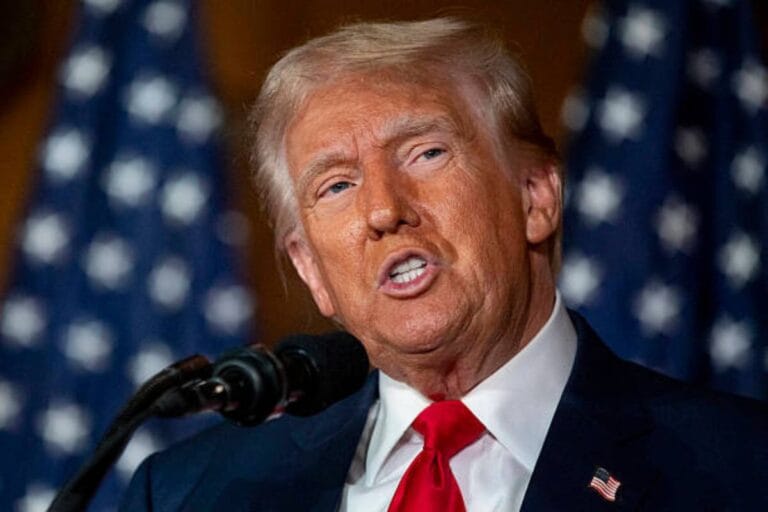
European stocks eventually fell from their session highs as investors dealt with a deadlock in talks between the US and Iran and a busy earnings calendar, which showed how fragile the rise was. As we wait for the result of a high-level US Situation Room meeting, the markets are still on edge. It was thought that President Trump would get his top national security and foreign policy officials together to talk about the deadlock in negotiations and possible next steps.
The key variables remain the same: Will Iran agree to meaningful nuclear concessions? Will the US accept a phased approach that reopens the Strait first? And critically for energy markets — how long can the global economy absorb the supply shock from a closed Hormuz Strait before the damage becomes structural?
The Bottom Line
European stocks are threading a narrow path between diplomatic hope and geopolitical reality. The peace process with Iran is still very weak, complicated, and uncertain, but even small signs of movement are enough to make markets move in a meaningful way. As a result, investors need to be very careful: global risk premiums are high, oil supply is still limited, and the diplomatic endgame is still not clear.
Sources:
- CNBC – European Markets Edge Higher as Iran Reportedly Makes Peace Proposal
- CNBC – Iran-US Peace Talks Stall: Global Markets Reaction
- Axios – Iran Offers US Deal to Reopen Hormuz Strait, Postpone Nuclear Talks
- Bloomberg – European Stocks Give Up Gains as Investors Track Earnings, Iran
- House of Commons Library – US-Iran Ceasefire and Nuclear Talks in 2026
- Wikipedia – 2026 Iran War Ceasefire
- TIME – US and Iran Fail to Reach Deal After Marathon Talks