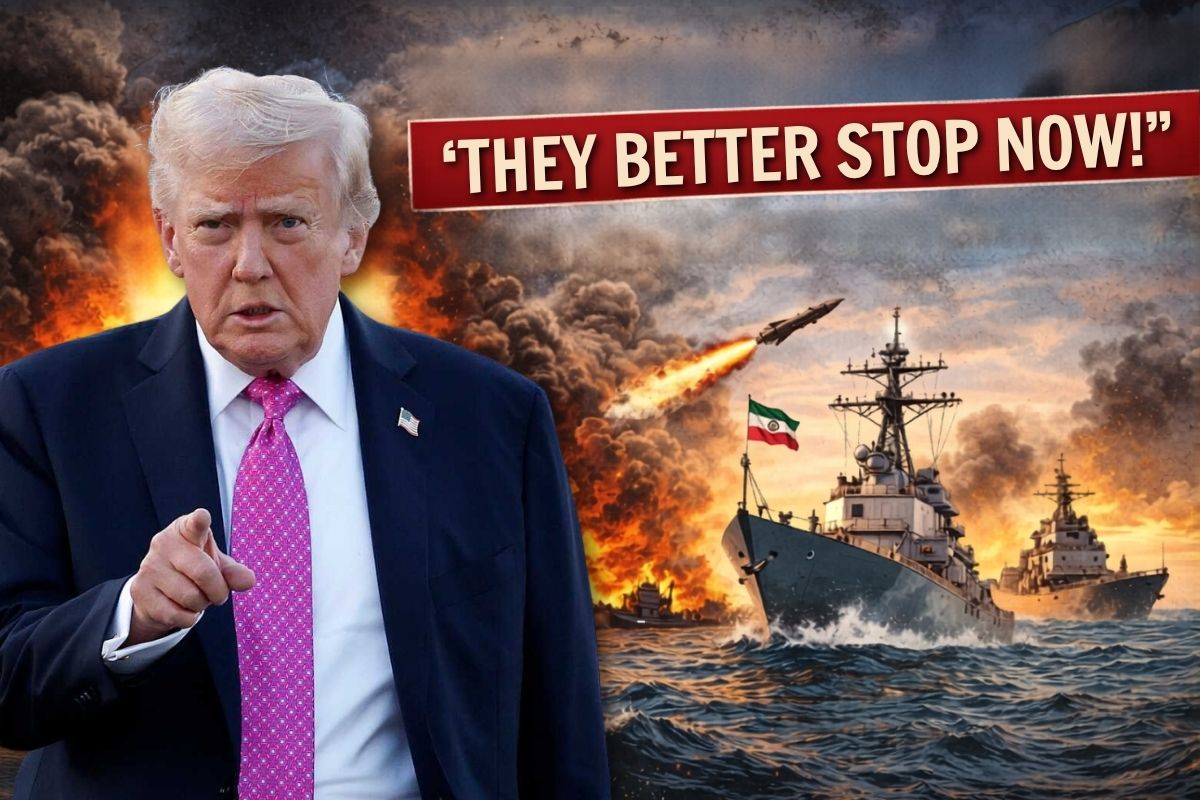
This week, tensions increased around the world. Donald Trump warned Iran about problems in the Strait of Hormuz. This strait is a key energy corridor. His blunt remark, “They better stop now,” comes as many worry that Iran’s actions might harm global energy supplies and the economy.
Rising Friction in a Critical Oil Corridor
Iran has recently been accused of interfering with commercial shipping in the Strait of Hormuz. New reports say that Iranian officials have slowed down tanker movement and suggested charging ships that travel through the tight river “tolls” or taxes.
This has raised concerns in Washington and globally. Trump stated that any effort to restrict free navigation would not be allowed. This could mean that the U.S. would respond more strongly if the situation worsens.
Why the Strait is So Important
The Strait of Hormuz is a key route for the global trade in energy. This tiny canal that connects the Persian Gulf to the open ocean carries almost a quarter of the world’s oil supply.
Even small problems here can have big effects on the world economy. Lately:
- Shipping oil has slowed down a lot
- Tankers are having trouble getting through, and their insurance prices are going up.
- Energy markets have reacted by changing prices a lot.
The risks are especially high for countries that rely significantly on oil imports, like India.
Iran’s Strategic Leverage
Iran’s position on the Strait of Hormuz affords it a powerful geopolitical advantage. Some experts think that Tehran is leveraging this crisis to get what it wants. They might be trying to get an edge in ongoing talks and regional tensions.
Some sources say that Iran has added more requirements for passing, like making people pay for each shipment. People don’t know about these tricks yet, but if they do, they might revolutionize the way oil is traded all across the world.
The presence of soldiers and higher security risks in the area has just contributed to the uncertainty, making maritime businesses even more wary.
Global Markets React
The standoff has impacted energy markets worldwide. Oil prices have risen due to concerns about supply issues. Traders are closely watching developments in the Gulf.
Economists say that long-term instability in the Strait of Hormuz could lead to:
- Fuel prices are going up all across the world.
- Higher prices
- Stress on supply chains around the world
- Market volatility
For developing nations, this could mean greater import costs and slower growth.
Military Signals and Diplomatic Efforts
Even as things worsen, diplomatic channels remain open. International players, like European and Gulf nations, want to reduce tensions and ensure safe travel at sea.
The United States has maintained a strong military presence in the area. This shows it is ready to act if needed. Trump’s statement is part of a broader warning. More disruption could lead to serious problems.
What’s Next?
The situation is still shifting, and there are three likely ways it will go:
- De-escalation through diplomacy—talks led to shipping going back to normal
- Standoff continues—small problems keep happening, which keeps markets on edge.
- More military involvement and a wider conflict in the area are what escalation signifies.
What Iran does next and how the largest countries in the world react will have a big impact.
The End
Donald Trump’s most recent warning shows how unstable one of the world’s most important trading routes is. Things that happen in the Strait of Hormuz have effects that go much farther than the area. It affects gas prices, the economy, and international peace.
The world is paying close watch as tensions rise. Even a small problem in this tight waterway can have tremendous implications all throughout.