

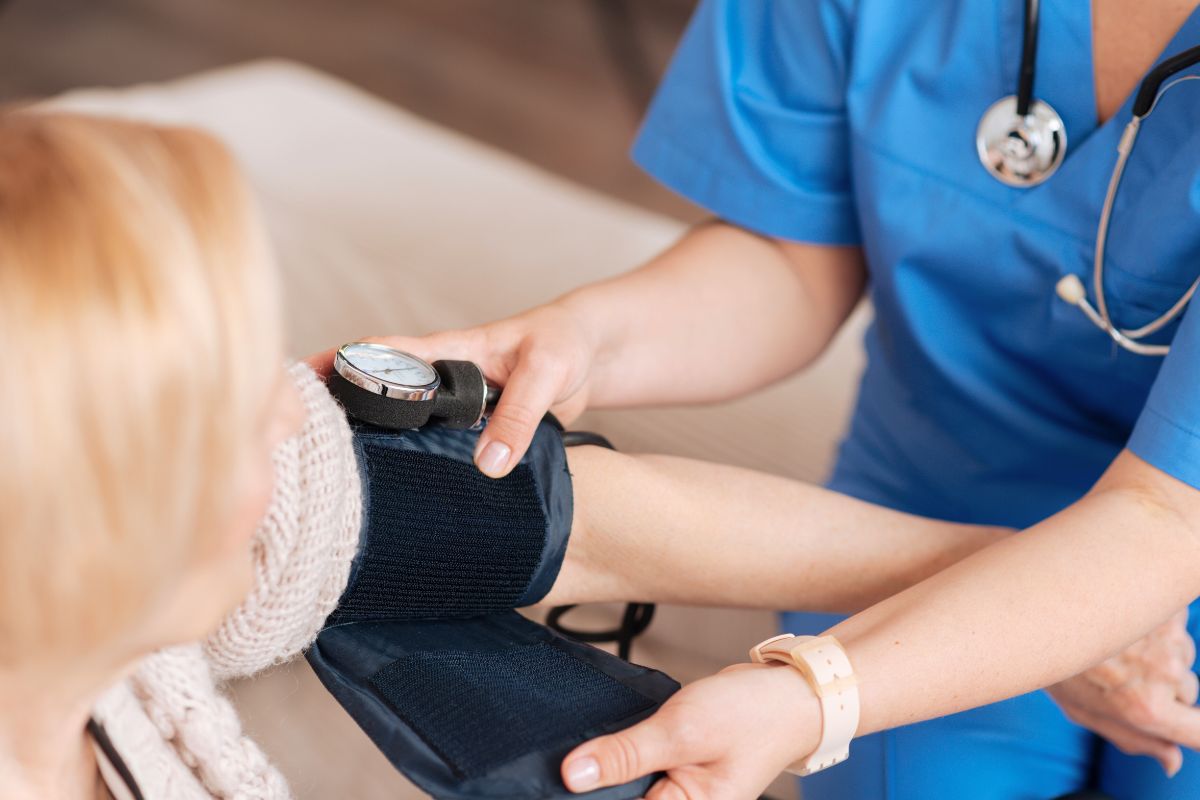
My mother was at the doctor on Tuesday for her usual checkup. She’s been on Medicaid ever since Dad died, three years ago. She can’t afford regular insurance on just Social Security.
Dr. Martinez, who has been taking care of our family for 15 years, looked concerned when he entered our hospital room. Not about Mom’s health, but her insurance.
“There’s a little thing you should know about Medicaid cuts 2026,” he said. “Things are about to get complicated.”
What Actually Happened In July
Many people missed the latest updates because they were buried under budget negotiations and election-year headlines. But in early 2026, new federal and state-level Medicaid adjustments officially began rolling out after last year’s legislation took effect.
What started as a policy debate in 2025 has now become reality in 2026.
Funding reductions, tighter eligibility checks, and new compliance requirements are no longer “proposals.” They’re active.
The original legislation — often referred to as the “One Big Beautiful Bill Act” — included a 15% reduction in projected Medicaid spending over the next decade. Now, states are implementing those reductions in different ways:
- Stricter eligibility reviews
- Work requirement enforcement
- Reduced optional benefits
- Provider payment cuts
And families are feeling it.
Mom’s jaw dropped when Dr. Martinez explained it.
“Fifteen percent of what?” she asked.
“Everything,” he said.
The Numbers That Keep Me Up At Night
According to earlier projections from the Congressional Budget Office, federal Medicaid and CHIP spending would decline by over $1 trillion across ten years under the law’s framework.
In 2026, analysts estimate millions are now in the process of losing coverage or facing renewed eligibility verification.
That doesn’t mean all 10+ million lost coverage overnight — but states are reviewing rolls more aggressively than at any time since the pandemic-era protections ended.
And here’s what that means in real life:
Delayed renewals
Coverage terminations over paperwork errors
Longer wait times at state offices
Confusion over work-reporting rules
When I explained it to my brother, he said:
“It’s like an entire state losing coverage.”
Exactly.
Who Gets Hit Hardest in 2026
The impact in 2026 is clearest among:
- Low-income seniors who rely on Medicaid to supplement Medicare
- Disabled adults
- Rural residents with limited provider access
- Families just barely above the poverty level
For over 7 million older adults and millions of people with disabilities, Medicaid isn’t optional. It covers:
- Long-term care
- Home health aides
- Prescription drugs
- Physical therapy
My neighbor Steve — disabled after a workplace accident — now has to re-verify his eligibility every few months. His wife works part-time. Together, they earn “too much” for some programs, but nowhere near enough for private insurance.
Without Medicaid, his physical therapy stops.
That’s not politics. That’s math.
The Work Requirement Nobody Asked For
The new law also imposes work requirements. The 20-hour weekly work requirement is limited to able-bodied adults who do not have young children, the White House said.
The situation seems reasonable, except that it isn’t. My cousin Lisa has lupus. Some days she feels fine. Other days, she can hardly get out of bed. Is she “able-bodied”? Who decides?
The paperwork alone will be a nightmare. You have to prove you’re working twenty hours a week, every week. Miss the deadline? Lose your coverage.
My aunt works at the county social services office. She says they’re already overwhelmed. “We can’t handle the current workload,” she told me. “Adding more requirements just means more people falling through the cracks.”
What Doctors Are Really Saying
Dr. Martinez is not the only physician with this concern. I phoned my family dentist, Dr. Johnson, who has been taking care of Medicaid patients for twenty years.
“Medicaid does not pay very much,” he said. “But it’s better than nothing. If 10 million people lose their coverage, where do they go? The emergency room? That’s a lot more expensive than the normal checkups.”
He’s got a point. When preventive care is unaffordable for enough people, they wait until things are very, very bad. And that results in their being in the ER with problems that might have been diagnosed early.
Who do you think pays for those ER visits? All of us, through higher insurance rates and hospital expenses.
States Are Freaking Out
And when federal funding for Medicaid falls, states typically trim optional benefits, including home- and community-based services, first. That’s fancy speak for cutting the cash that enables seniors to live in their homes or at least in communities of fellow seniors rather than in nursing homes.
My grandmother came to live with us during her final two years because we could not afford assisted-living care. It was hard on everybody, but particularly on Mom. If she could have had home health aides paid for by Medicaid, Grandma could have stayed in her place.
These cuts will precipitate families into impossible situations like ours.
The Real Cost Nobody Mentions
Here’s what I can’t stand about this whole business. The OBBBA will slash roughly $1 trillion in federal Medicaid spending between 2025 and 2034. Not only that, but it provides gargantuan tax cuts for wealthy individuals and corporations.
So we are taking health insurance away from poor people to give wealthy people a tax cut. I don’t think that’s right.
My brother-in-law is an accountant. He looks at tax returns all day. “The people who are receiving these economic tax breaks don’t need them,” he said. “They’re already doing fine.”
What Happens To Real People
Mom’s already making plans. She’s rationing her diabetes medication to make it last longer. Skipping some doctor appointments. Looking into what Medicare covers versus what Medicaid pays for.
She’s not alone. Every Medicaid patient in America is doing the same math right now.
“I worked forty years and paid into the system,” Mom said after her appointment. “Why am I being punished for getting old and needing help?”
Good question, Mom. I don’t have a good answer.
The Bottom Line For Families
If you’re on Medicaid, pay attention. The Medicaid cuts 2026 are real and they’re happening now. States are already planning how to reduce services.
If you’re not on Medicaid, this still affects you. When millions of people lose coverage, healthcare costs go up for everyone.
Dr. Martinez gave Mom his cell phone number. “Call me if you have problems,” he said. “We’ll figure something out.”
That’s America in 2026. Good doctors trying to help their patients while politicians play games with people’s lives.
Some things never change. The people who need help the most always seem to be the first ones to lose it.