
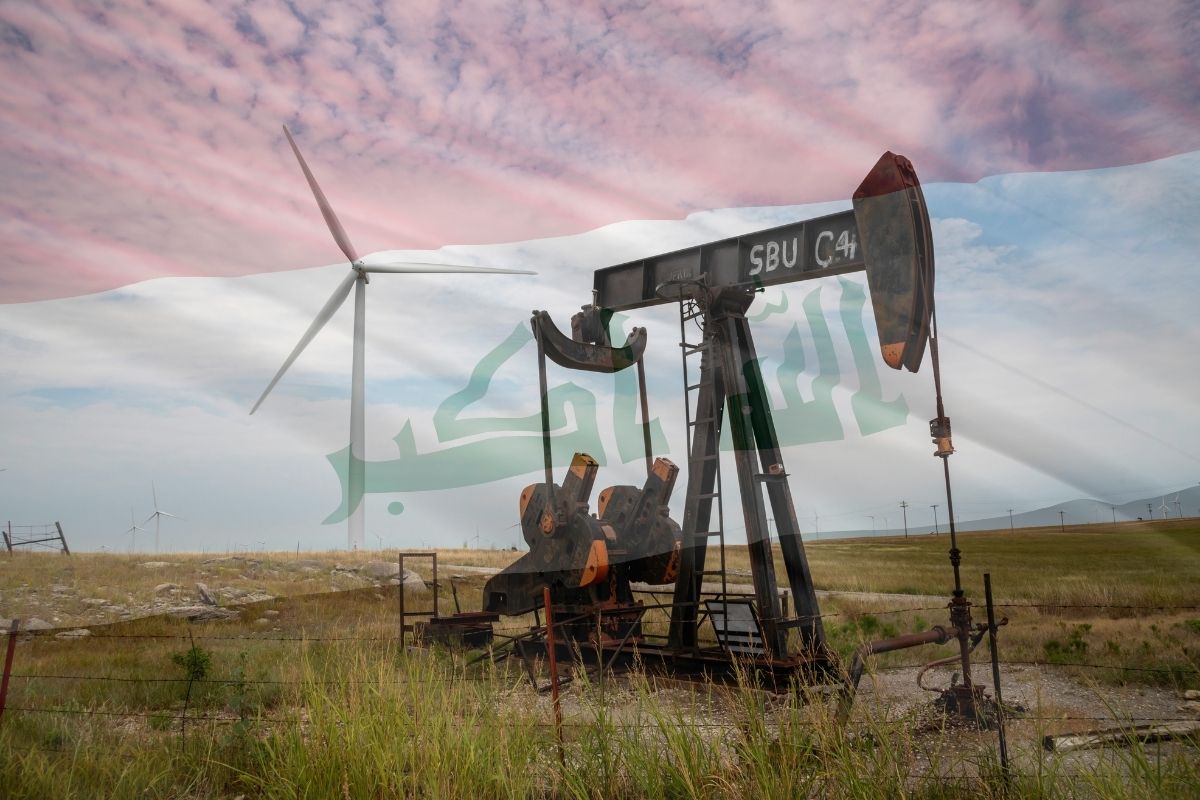
Iraq has restarted crude oil exports. They are using the Kirkuk–Ceyhan pipeline to reach Turkey’s Mediterranean coast. This decision comes as economic pressure increases. The US-Israel war with Iran is still causing disruptions.
The Resumption of Exports
Iraq has started exporting crude oil from Kirkuk to Ceyhan port in Türkiye. The North Oil Company reports an initial output of 250,000 barrels per day. The Saralu pumping station is now active to support this export capacity.
The resumption comes after a deal. This deal is between Baghdad and the Kurdistan Regional Government (KRG). Oil Minister Hayyan Abdul Ghani said Iraq can pump 200,000 to 250,000 bpd. This is from the northern oilfields in Kirkuk. There’s also potential to increase flows by another 200,000 bpd from the Kurdistan Region.
Why This Route Matters
The Iraq–Turkey Pipeline is a key energy link. It connects the northern oilfields of Iraqi Kurdistan to Turkey. However, it remained mostly idle for more than ten years. This was due to damage from ISIS and other armed groups.
Federal authorities in Baghdad wanted exports to begin again. They aimed to use the Kirkuk–Ceyhan pipeline. This pipeline can pump up to 450,000 barrels a day. Restarting exports would reduce the impact of the Strait of Hormuz closure.
Also Read: How U.S.–Iran Tensions Are Driving Oil Prices to Multi-Month Highs
The Crisis That Triggered the Move
The agreement comes as global energy markets reel from the effective closure of the Strait of Hormuz since March 1, following Iran’s retaliation against US-Israeli attacks that began on February 28. Before the conflict, around 20 million barrels of oil passed through the strait daily. This accounted for one-fifth of the world’s supply.
Iranian attacks on oil tankers in Basra, Iraq, shut down all oil terminals. Iraq’s crude oil production dropped to 1.4 million barrels per day. That’s less than a third of what it was before the conflict.
Baghdad–Erbil Tensions and the Deal
The way to restart exports was tough. It wasn’t easy.
Talks with the Kurdistan Regional Government (KRG) have stopped. This is because of money issues. The KRG said it won’t pump oil until Baghdad lifts its ban on dollar transfers to the region. The ban started in January. It hurt trade by blocking Kurdish businesses from getting hard currency for imports.
The KRG confirmed the agreement. Both sides will form a joint committee to prepare for resuming oil exports. Revenue from these exports will go to the federal treasury. They agreed to set up security measures. This will protect oilfields and ensure export operations run smoothly.
KRG Prime Minister Masrour Barzani said the region would allow crude exports through the Kurdistan pipeline at the earliest possible time “in light of the exceptional circumstances the country is confronting.”
Also Read: U.S. Mortgage Rates Rise Again After Brief Dip Below 6% Amid Iran Tensions
International Response and Market Impact
US Ambassador to Türkiye and special envoy for Syria, Tom Barrack, thanked both sides. He praised their “courage, steadfast cooperation, and commitment to the diplomatic path.” He also passed on President Donald Trump’s greetings during a call with Barzani.
After the announcement, Brent crude fell 1.38% to $101.99 a barrel. West Texas Intermediate dropped 1.89% to $94.39, indicating some market relief from the supply news.
What Comes Next
Iraq plans to export 100,000 to 200,000 bpd to global markets. It aims to use land routes through Turkey, Syria, and Jordan. It is also upgrading its Kirkuk–Ceyhan pipeline. This will send crude straight to Turkey’s Mediterranean port. It will skip the Kurdistan Export Pipeline.
The restart is crucial for Iraq. Oil revenue accounts for almost 90 per cent of the national income. Analysts caution that 250,000 bpd is just a small fraction. It’s much less than the 3.4 million bpd exported before the regional conflict. Full recovery relies on diplomatic progress, infrastructure repairs, and resolving the US-Iran war.
Sources:
- The National News — Iraq resumes oil exports via Turkey’s Ceyhan port
- The National News — Iraq works to revive Kirkuk–Ceyhan pipeline
- Shafaq News — Iraq resumes oil exports to Türkiye’s Ceyhan port
- Yeni Şafak — Iraq, KRG reach deal to resume oil exports
- Reuters via WKZO — Iraqi government, Kurdish authorities reach deal