
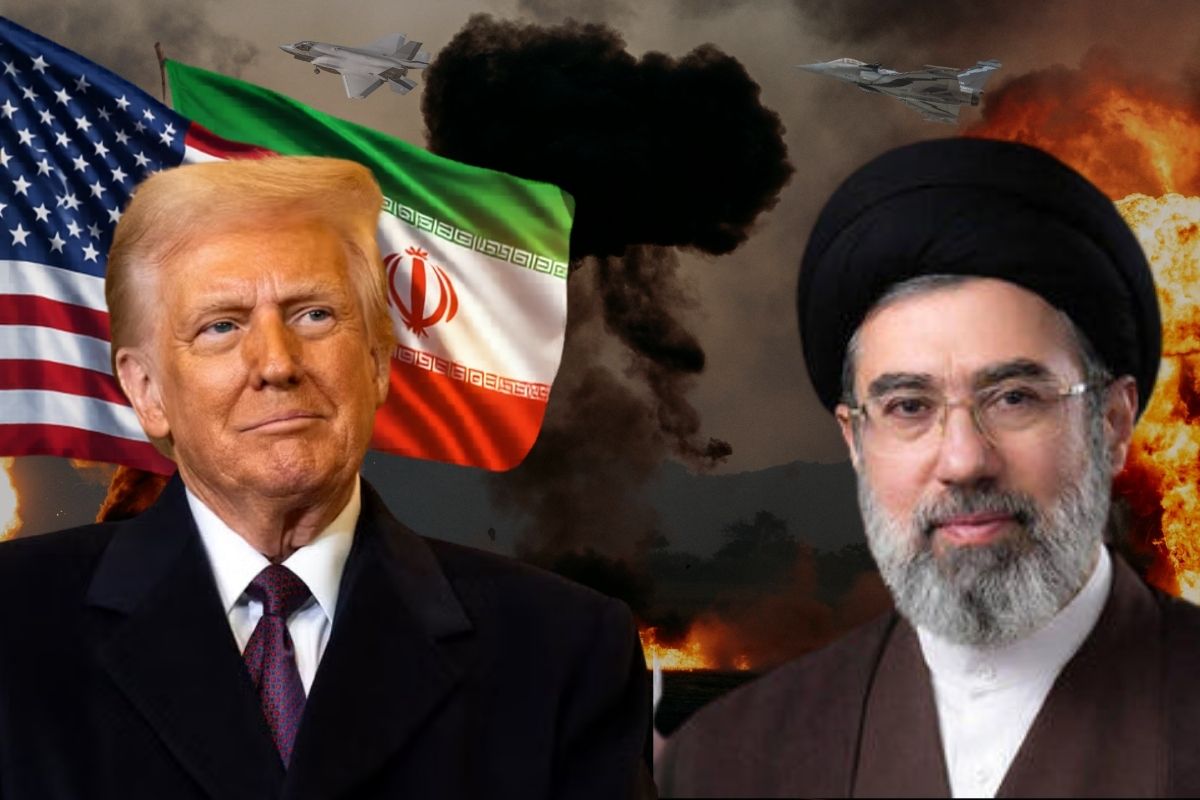
After US President Donald Trump said there would be a two-week ceasefire with Iran, the world’s financial markets soared up. People were less worried that the war in the Middle East would go on for a long time. After the news, stocks, cryptocurrencies, and developing markets rose sharply. This shows a “risk-on” sentiment. At the same time, the US currency got weaker, and oil prices went down.
Investors were glad to see signs of things getting better. This happened after weeks of rising tensions. These wars disrupted global electricity flow and shook investors’ confidence.
What Happened After the Ceasefire Announcement?
Donald Trump said on April 7, 2026, that there would be a short ceasefire with Iran. This happened right before a very important deadline to reopen the Strait of Hormuz. This road is very important because it carries around 20% of the world’s oil.
Seyed Abbas Araghchi, Iran’s Foreign Minister, said Iran will stop fighting if no one attacks. Trump claimed that Iran’s 10-point offer was a good beginning to start talks that would last. He also asserted that the US has met most of its strategic goals.
The Strait’s possible reopening alleviated fears of a long-term oil supply disruption. This helped the world’s markets calm down.
Stock Market Rally: Asia Leads Global Surge
Asian markets had some of the greatest gains:
- The Nikkei 225 went up 5.28%, or 2,822 points.
- The KOSPI went up 5.61% (+308 points).
- The Hang Seng Index went up 3.04% (+763 points).
- GIFT NIFTY went up more than 3%.
The Nifty and Sensex, two stock market indexes in India, both went higher. Stocks in the banking, IT, and energy sectors are going up, provided this surge.
The Asian markets helped the US and European markets rise. A higher risk appetite stopped earlier sell-offs that were sparked by the war.
Oil Prices Drop Below $100 After War Fears Ease
Oil prices fell a lot once the truce was announced:
- Brent Crude dropped 15.9% to $92.30 per barrel.
- The price of WTI Crude Oil dropped 16.5% to $93.80 a barrel.
Both benchmarks went beyond $110 during the most tense times.
People are less anxious about problems with supply in the Strait of Hormuz because of this decline. Prices are still 30% to 70% higher than they were in late February, when oil was about $70.
Analysts argue that oil markets remain tight, even though there was a relief bounce. This problem is made worse by problems with tankers and cargoes that have been on hold since March.
US Dollar Weakens as Risk Appetite Returns
The US Dollar Index fell 1% to 98.97, which is the lowest level in two weeks. This trend occurred because investors started to buy riskier assets.
Currency changes included:
- The value of the Japanese yen went up by 0.6%.
- The value of the Australian dollar went up by 1.3%.
- The value of the New Zealand dollar went up by 1.4%.
The ceasefire made people less interested in the dollar as a safe-haven asset.
How Gold and Crypto Reacted
Gold went up 2.13%, which is interesting since it shows that some investors are still wary of the deal’s short-term nature.
Cryptocurrencies also did well:
- The price of Bitcoin rose 3% to $71,411.
- Ethereum was up 5% to $2,782.
This significant jump means that investors are more confident and that people are betting on it.
What Caused Tensions Between the US and Iran Before the Ceasefire?
The US and Iran have hated each other for a long time.
1. 1953 Coup and Oil Nationalization
The US backed a coup in 1953 that got rid of Iranian Prime Minister Mohammad Mossadegh. This happened when he took control of oil assets for the country. This event made people angry for a long time.
2. 1979 Islamic Revolution
The Shah lost his power. The hostage situation at the US embassy lasted 444 days, making things much worse.
3. Nuclear Deal Breakdown
The 2015 nuclear accord (JCPOA) helped calm things down for a while. But Trump changed his mind in 2018 and reinstated the sanctions back in place. After that, Iran began to enrich uranium again.
4. Israel–Iran War in 2025
A conflict between Israel and Iran lasted for 12 days in June 2025. This fight made things worse. The US’s attacks on Iranian nuclear sites put a stop to diplomatic discussions. It also led to attacks by groups like Hezbollah and the Houthis using other people as weapons.
5. Strait of Hormuz Closure
On February 28, 2026, US and Israeli troops attacked Iranian missile installations. Iran closed the Strait of Hormuz in response. This messed up oil shipments all over the world and caused the price of oil to rise a lot.
The strikes kept going on until the ceasefire was called in April.
Will Oil Prices Remain Low After the Ceasefire?
Important Risks:
- The ceasefire will only endure for two weeks.
- If Iran is attacked, it could seal the Strait again.
- Tanker traffic problems are still going on.
- OPEC+ is still cutting back on production.
- The recovery of global demand puts more pressure on prices.
Experts say that costs could go up again if the talks don’t work out. Some experts are worried that things could get worse in June. If big problems like nuclear enrichment and proxy wars in the region aren’t fixed, this could happen.
President Trump also feels the need to keep energy prices low. High prices could hurt inflation and change how people feel about voting.