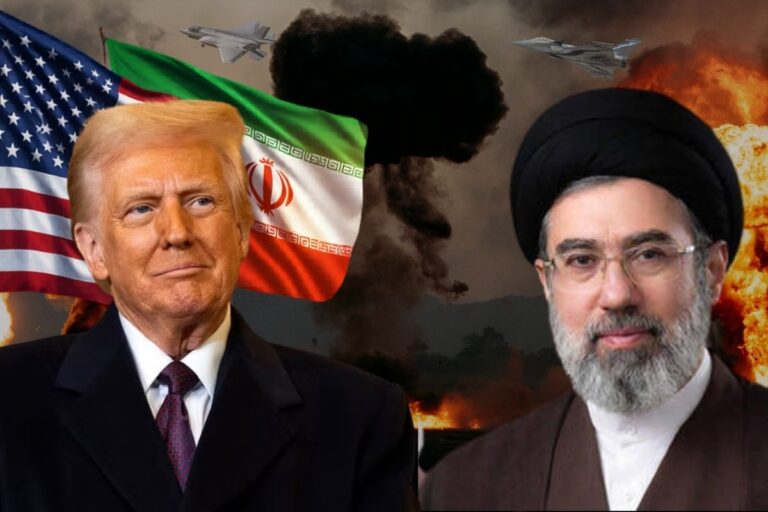
Global oil markets are currently affected by rising geopolitical risks. This is mainly due to increasing tensions between the United States and Iran. These tensions stem from disputes over Iran’s nuclear programme. They also include military actions in the Middle East. They involve a wider geopolitical rivalry. Brent and West Texas Intermediate (WTI) crude oil prices are high. They are at their highest levels in months. This price spike shows a clear geopolitical risk premium. Investors are paying more for oil. They expect supply disruptions if the conflict escalates.
1. Oil Prices at Multi-Month Highs
Recent market data reveal that oil prices are almost at their highest levels in seven months. Brent crude futures are trading at the low $70s per barrel, which is the highest level they’ve been at since July 2025. At the same time, U.S. WTI prices went up to levels not seen since August 2025.
Even if production hasn’t stopped, gains are still happening. This shows how sensitive markets are to imagined geopolitical worries.
Market analysts say prices are rising mainly due to expectations, not a real loss of supply. The high risk premium remains because the third round of U.S.–Iran nuclear talks is set for February 2026 in Geneva. Traders are worried about the negotiations. They fear that things might get worse.
2. Why Geopolitics Matters for Oil Prices
Oil is one of the most politically charged items on the world market. Iran, Saudi Arabia, Iraq, and the United Arab Emirates produce and sell much of the world’s crude oil. The Strait of Hormuz is a vital waterway that delivers nearly 20% of the world’s oil supply daily. It is a key choke point for these shipments.
Prices often rise with even a hint of danger that this strait might be blocked. This happens because so much of the world’s energy supply relies on safe passage through it. Iran has a coastline and military strength in the Persian Gulf. It has threatened to stop transport across the strait before. This was in response to sanctions or military actions. A full closure seems unlikely because Iran’s economy relies on oil exports. Still, markets are nervous about the risk of disruptions.
3. The Role of U.S.–Iran Military and Diplomatic Relations
The relationship between Washington and Tehran has soured lately. It has become increasingly tense. U.S. presidents have made strong threats to Iran about its nuclear program, often saying that the country will face harsher economic repercussions or perhaps military action. When politicians talk like this, it could worry the market more because traders think that diplomatic efforts might fail and lead to conflict.
Iran, on the other hand, has refused to give up some of its nuclear aspirations and has been performing its own military training and signals. People are starting to think that the chances of making a mistake in the area are getting higher because of this and the naval operations of friends. Even tiny issues, like short-term channel closures or regional tensions that raise shipping insurance costs, can have a major effect on oil price forecasts.
4. Market Reaction: Risk Premium and Investor Behavior
Prices are going up largely because of a geopolitical risk premium, which is the additional money that investors are willing to spend to protect themselves from possible supply shocks. Experts claim that the global oil markets are taking scenario risk into account. What if the conversations don’t work out? What if things go worse in the military? In these cases, even tiny problems that don’t endure long can cause prices to go up a lot.
This risk premium is most clear in oil futures markets, where people bet on what prices will be in the future. In the last few sessions, WTI rose the most it has in two days for months. Meanwhile, Brent reached its highest levels twice since mid-2025.
5. Broader Economic Implications
Higher oil prices impact more than crude markets. They raise energy costs and boost inflation, particularly in transport and industry. This pressure makes it tougher for central banks to manage inflation. New research shows that oil may not affect global inflation much. This could happen if prices stay high.
Investors are keeping an eye on other assets. As geopolitical concerns grow, many seek safe-haven options like gold and oil.
6. What Could Change the Trajectory?
The risk premium could drop quickly if there are big diplomatic wins. If the U.S. and Iran agree to lower their nuclear goals and ease tensions, oil prices might fall. This is because the chance of problems would be less. However, if talks fail and tensions rise, markets could push oil prices even higher.
If big oil users like the U.S. or China tap into their strategic reserves, it could help. This might prevent prices from rising too much during supply concerns.
Final Thoughts
In early 2026, tensions between the U.S. and Iran are affecting crude oil markets. Traders are buying insurance to protect against supply issues. This is driving prices to their highest levels in months. The market remains concerned about potential violence, especially in the Strait of Hormuz. However, there are no real supply issues right now. The short-term outlook for oil prices depends on the success of diplomatic talks. It also hinges on whether rising risks lead to real supply concerns.
Disclaimer:
This article is for informational purposes only and does not constitute financial or investment advice. Market conditions and geopolitical events may change rapidly. Always conduct your own research or consult a qualified financial advisor before making investment decisions.